

- 08/06/2026
- Posted by: Janick Pettit
- Categories: Articles, Consumer Goods / FMCG, SagaTracker
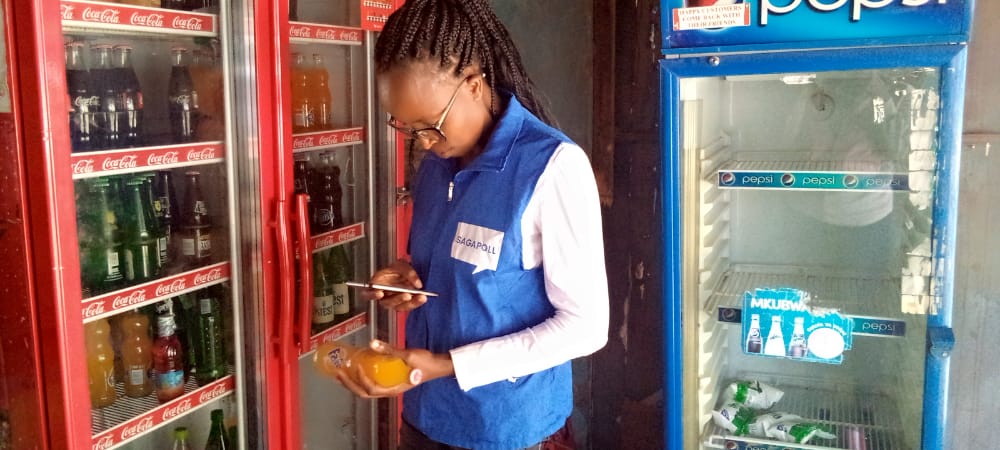
Retail execution in Africa is where FMCG strategies either hold up or fall apart. Distribution plans, pricing decisions, and visibility investments all depend on what the audit is actually measuring. And in African markets, where retail is fragmented and informal trade dominant, standard approaches often miss the picture.
Poor retail execution rarely comes from a lack of data. It comes from audit design that creates blind spots before a single data point is collected.
Below are five retail execution mistakes that persist across African markets, and how to address each one.
| Mistake | Core risk |
| Sampling bias toward modern trade | Overstated distribution figures |
| Distribution without execution context | Presence without performance |
| Ignoring price variation across channels | Hidden margin loss |
| Visibility treated as a field note | Untracked execution gaps |
| Siloed retail data | Incomplete diagnosis |
Why retail execution data is different in Africa
African retail environments are structurally different from the markets where most FMCG audit methodologies were developed. Informal trade, fragmented channel structures, and significant variation between neighbourhoods and regions mean that standard approaches rarely capture the full picture. Kiosks, open markets, and small independent grocers are not edge cases in most African countries: they are the primary route to the consumer. Any audit design that does not reflect this reality will produce misleading execution data.
Mistake 1: sampling that overrepresents modern trade
Many retail data concentrate on supermarkets because they are easier to access, standardise, and revisit. The result is a dataset that reflects a minority of actual purchase occasions in most African markets. Modern trade also skews toward more premium product ranges, meaning the category picture it presents is rarely representative of how most consumers actually shop.
An audit panel skewed toward modern trade will systematically overstate distribution in ways that do not reflect what consumers find on the shelf. The same problem occurs when store lists go stale. Retail landscapes evolve quickly: new outlets open, others close or change formats. Static sampling drifts out of alignment with the actual retail universe and produces biased KPIs over time.
A reliable retail execution strategy in Africa requires two things:
- A sample that reflects the real channel mix, including traditional trade
- A panel updated regularly to stay representative as the retail landscape shifts
Mistake 2: measuring distribution without execution context
Numeric distribution tells you where a product is listed. It does not tell you whether it is visible, competitively priced, or correctly placed. A brand can report strong FMCG distribution figures in Africa and still be losing at shelf level because the execution behind the listing is poor.
Distribution data becomes meaningful when read alongside:
- Shelf share and number of facings
- Secondary placement and promotional presence
- Stock condition and out-of-stock rate
Without these dimensions, an audit explains presence but not performance, and the gap between the two is often where market share is won or lost. This is precisely where retail execution in Africa breaks down, and what continuous retail tracking solutions like SagaTracker are designed to address, across modern and traditional trade.
Mistake 3: ignoring price variation across channels
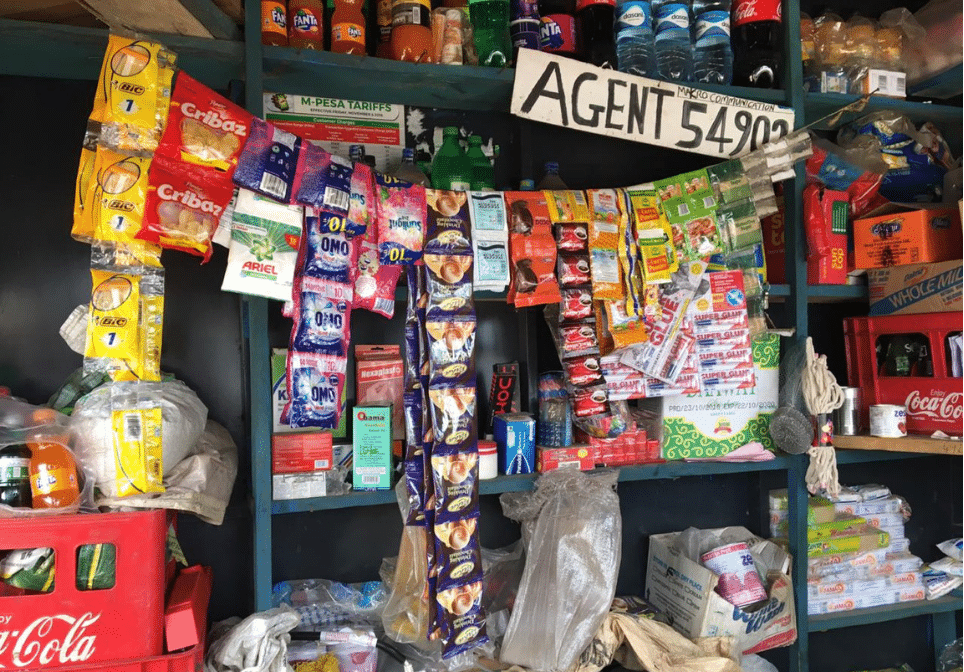
Price varies significantly between channels, neighbourhoods, and store formats across African markets. Tracking only average price or recommended retail price hides competitive dynamics that matter.
Understanding where pricing deviates from strategy, in which channels, and by how much, is often what separates brands that hold margin from those that quietly lose it.
Pack format distribution adds a further layer: different SKUs frequently dominate in different trade channels, and tracking this reveals channel strategy and execution gaps that aggregate data cannot surface. Sagaci Research’s work on price compliance in traditional retail illustrates how granular price tracking across channels can directly inform commercial decisions.
Mistake 4: treating shelf visibility as a qualitative observation
Shelf execution is not a soft metric. In high-purchase-frequency categories, visibility at the point of sale directly influences whether a shopper picks up a product or reaches for a competitor. Many FMCG teams still treat shelf execution as a field note rather than a trackable KPI.
Without standardised visibility scoring across waves and markets:
- Execution gaps go unmeasured
- Trade investments go unverified
- Competitor gains at shelf level are only detected retrospectively
Structuring visibility as a scored, comparable metric, covering shelf share, secondary placement, and out-of-stock rates, is what turns audit data into an early warning system.
Mistake 5: keeping retail data separate from consumer insights
Retail execution data answers what is happening in store. It does not explain why. A brand losing numeric distribution may be facing a pricing issue, a supply problem, a competitor promotion, or a shift in shopper preference. Without connecting execution data to other sources, the diagnosis stays incomplete and the response is guesswork.
Linking retail execution data to brand health tracking and consumer panels allows FMCG teams to understand both the shelf reality and the consumer dynamics behind it. This is where retail measurement shifts from reporting to decision-making.
What good retail execution looks like in Africa
The five mistakes above share a common thread: they all stem from audit design choices made early that limit the value of data collected later. Getting execution right in Africa means building audits around the actual retail structure, tracking the right metrics consistently, and connecting retail data to the broader picture of brand and consumer performance.
SagaTracker, our Retail Audit solution, covers:
- Numeric and weighted distribution across modern and traditional trade
- Shelf execution and visibility scoring
- Price tracking by channel and pack format
- Competitive activity monitoring
Common questions about retail execution in Africa
A: Retail execution in Africa refers to how FMCG brands measure and manage their in-store presence across distribution channels, including traditional trade outlets such as kiosks, small groceries, and open markets. It covers distribution, pricing, shelf visibility, and competitive activity.
A: African retail environments are highly fragmented, with informal trade representing the majority of purchase occasions in most markets. Standard audit methodologies developed for structured modern trade environments often miss this channel, creating blind spots in distribution and execution data.
A: The five most common mistakes are: sampling that overrepresents modern trade, measuring distribution without execution context, ignoring price variation across channels, treating shelf visibility as a qualitative observation rather than a tracked KPI, and keeping retail data separate from consumer insights.