
- 20/03/2026
- Posted by: Janick Pettit
- Categories: Articles, Qualitative Research
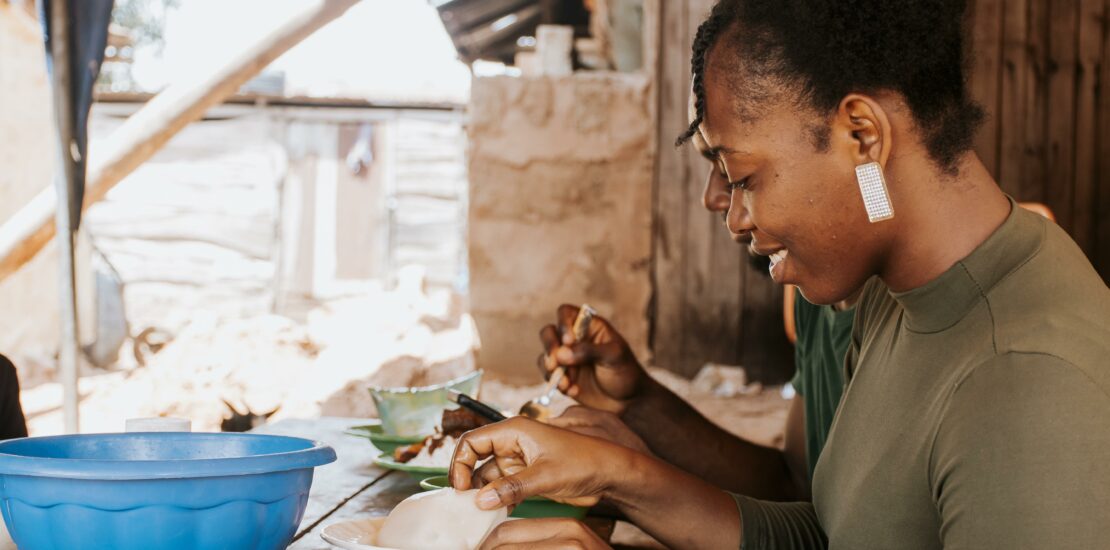
Understanding how African consumers truly use products in their homes is one of the most valuable assets an F&B brand can have. Sales data and consumer surveys provide essential market intelligence. And yet the daily habits, workarounds, and rituals that shape real purchasing decisions only become visible when you step inside the home. That is what MealScope is built for.
Why F&B brands in Africa commission in-home consumer research
The situations that lead brands to commission MealScope vary: entering a new market, relaunching a product, responding to a new competitor, reviewing a portfolio, or exploring growth opportunities in categories not yet fully mapped. What these briefs share is a desire to get closer to the African consumer with enough depth to make confident decisions based on our observation and going beyond what consumers state.
The MealScope methodology: In-home ethnographic research in Africa
Throughout the process, from initial proposal to recruitment, we draw on SagaCube, our consumption tracker, and SagaProduct, our SKU-level retail intelligence tool, to build market context and ensure the exploration is done around the most relevant brands and consumer profiles from the outset.
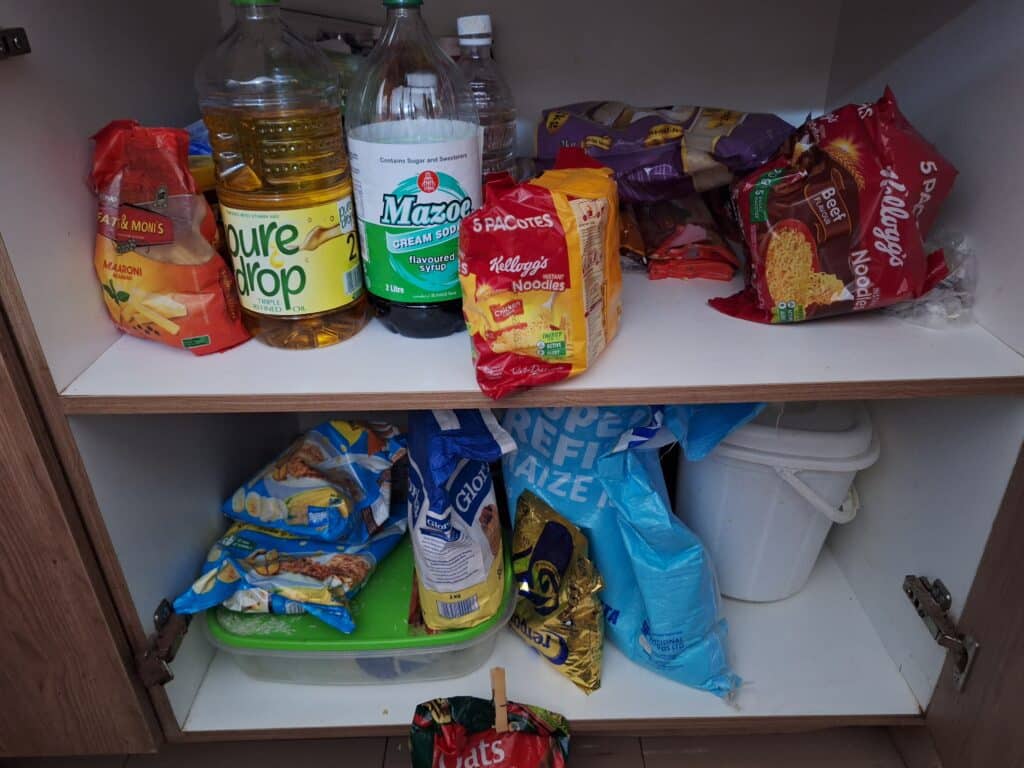
From there, our qualitative research team observes consumer behaviour in Africa as it happens: in the kitchen, at the stove, across multiple meal occasions, adding the contextual, real-time behavioural layer and needs that bring the full picture into focus.

What MealScope reveals: three types of Qualitative consumer insights in Africa
In-home ethnographic research in Africa consistently uncovers insights that are difficult to access through other means:
- Unexpected usage. Consumers often use products in ways brands never anticipated: as ingredient substitutes, incorporated into everyday cooking, or repurposed through habits shared organically between households via community groups, Whatsapp, and word of mouth.
- Occasion and context. Not just what consumers eat and drink, but when, with whom, and why. Which products anchor a meal, which occasions drive frequency, and which represent untapped opportunity.
- The decision behind the choice. Why a consumer reaches for one brand over another, what role price, availability, habit, and aspiration each play, and where perceived positioning diverges from how a product is actually used in the home.


From insight to action: consumer-led FMCG innovation in Africa
For F&B brands, MealScope findings have informed concrete action across areas such as brand portfolio management and communication strategies. In some cases it prompted a rethink of how a brand positions itself for certain African markets.
This is what consumer-led FMCG innovation in Africa looks like in practice: built from the ground up on what African consumers actually do.
Food and beverage categories MealScope covers across Africa
MealScope works for any food or beverage category in Africa where in-home consumer behaviour adds a layer of understanding beyond other data sources. Past and current deployments span beverages, cooking sauces, herbs and spices, dairy, snacking, and more, across all African markets.
Qualitative consumer insights in Africa: making confident F&B decisions
Whether you are entering a new market, reviewing your portfolio, or looking to get closer to your African consumer, MealScope offers the evidence base to make those decisions with confidence.
Learn more about the Africa MealScope study or get in touch. Alternatively, download the MealScope brochure below.
© Cover image by Freepik