

- 12/03/2026
- Posted by: Janick Pettit
- Categories: Articles, Consumer Goods / FMCG, SagaCube, SagaProduct
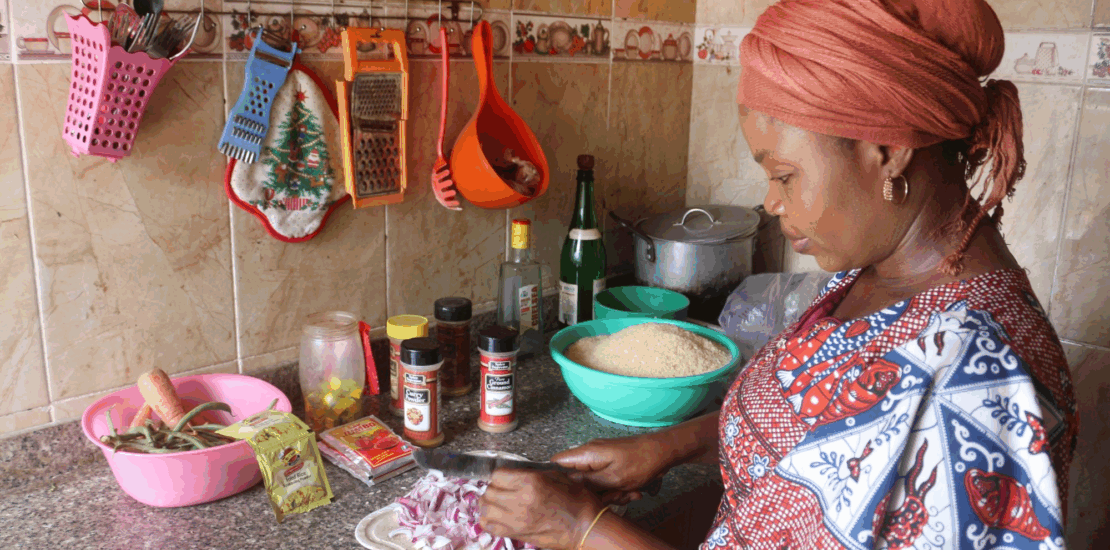
The next food trends in Africa may not come from global R&D labs. It is emerging from local kitchens, street markets and generations of culinary tradition.
From packaged degue, gari mix, moi-moi bean pudding in West Africa to fermented sour milk in Kenya, traditional foods are being transformed into branded, scalable consumer products, and entering modern retail at pace.
The question is no longer whether traditional products belong on the shelf. It is who will move fastest to turn culinary heritage into one of the defining food trends in Africa today.
Why traditional African foods are entering modern retail now
Historically, many traditional African foods were consumed through informal channels: homemade preparation, loose or unpackaged formats, small-scale and unbranded distribution. What is changing today is the innovation infrastructure being built around them.
Several forces are converging. Africa’s urban population is growing rapidly, making informal home production less practical. Rising middle classes are creating demand for convenience without sacrificing familiarity. And the expansion of modern retail across African markets is creating a pull effect: supermarkets and e-commerce platforms need locally relevant products, and local producers are increasingly able to meet that brief.
The result is not a replacement of traditional African consumption habits, but an industrialisation of them.
Local food brands in Africa: cultural legitimacy as a competitive advantage
Consumers across Africa tend to associate local food brands with authenticity, familiar ingredients and trust. These perceptions translate into a powerful advantage for local manufacturers: cultural legitimacy built over time.
Data from SagaCube, the African consumption tracker, confirms this. Across food & beverages categories like fresh food, dairy, snacks, packaged food and non-alcoholic beverages, local companies attract the strongest preference, with fresh food leading, where 55% of consumers actively choose local.
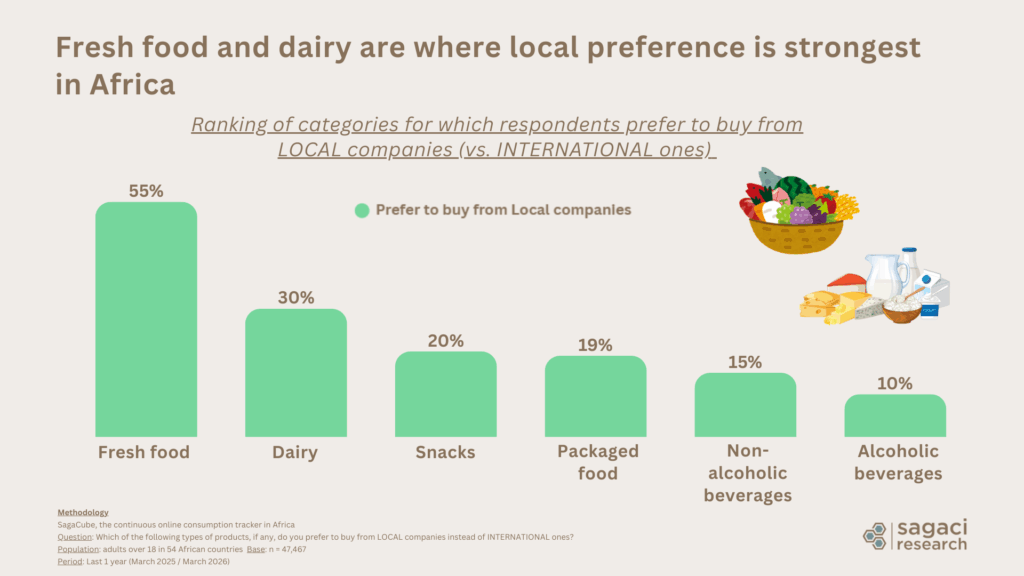
This makes food the primary battleground for local FMCG innovation, and the most commercially significant one.
International players are also incorporating traditional flavours and formats into their portfolios to better reflect local tastes. Doing so, however, often requires deep local research and market understanding to ensure these adaptations resonate with consumers.
From degue to fufu flour: how traditional African foods are entering modern retail
The product-level transformation is visible across multiple markets from West to East Africa.
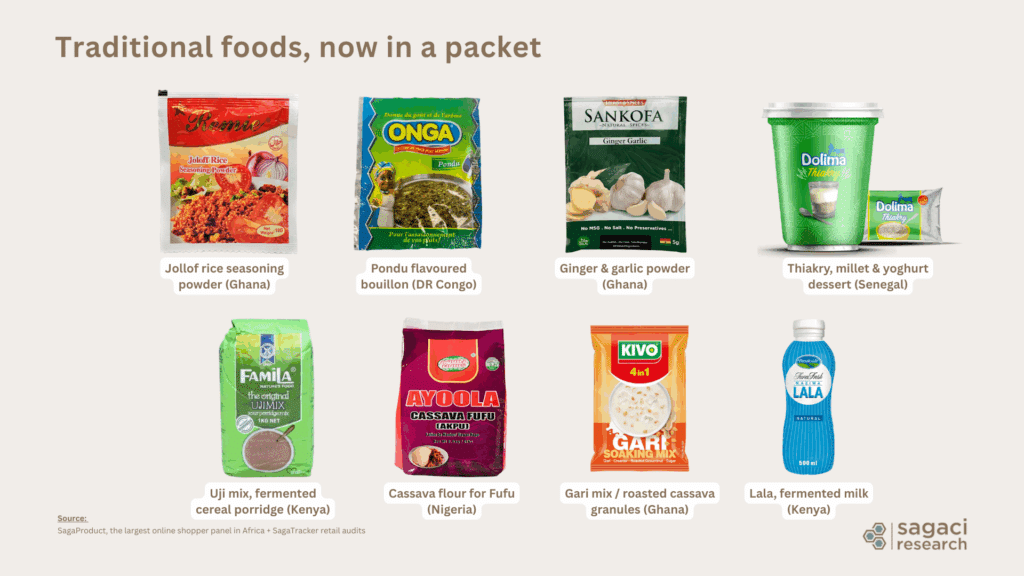
Here are a few examples of products and brands reported in SagaProduct, our shopper panel in Africa:
- Degue / thiakry (millet and yoghurt dessert) in West Africa commercialized by Laiterie du Berger in Senegal, with dairy brand Dolima
- Gari mix (roasted cassava granules) is now sold in standardised formats by brands like Kivo (Procus Ghana) in Ghana
- The traditional Nigerian poundo yam, moi-moi bean pudding or cassava fufu can now easily be made with packaged flour commercialized by brands like Ayoola Foods
- Fermented milk (‘lala’) in Kenya is scaled through formal dairy players like Brookside
- Uji, a traditional fermented cereal porridge, is sold as instant porridge flour (Unga Famila) in Kenya
- Packaged seasoning blends and cooking bases are now distributed widely. We find several examples across markets:
- Jollof rice seasoning powder by brands like Remie or FariCity in Ghana
- Pondu bouillon flavour for the traditional cassava leaves dish in Congo, by Onga (Promasidor) or Top Magique, C Bon and Bravo.
- Ginger and garlic powder mix, by Sankofa (Gold Coast Food) or Kivo, is growing a lot in Ghana lately
The innovation formula is consistent:
- product standardization
- improved shelf life
- stronger branding
- expanded distribution reach
Pack size and affordability: a key battleground for traditional food brands in Africa
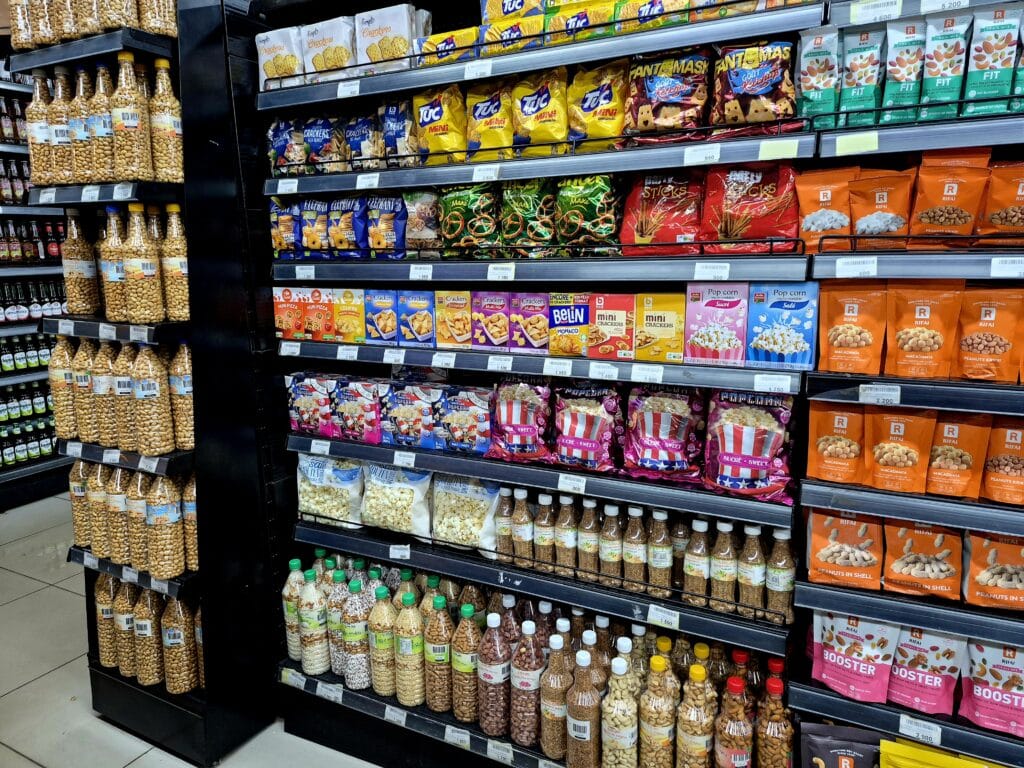
These products are now entering the same competitive space as mainstream FMCG categories, and the pack format is a key lever. Smaller, accessible sizes drive both penetration and purchase frequency, making them critical for local food brands in Africa scaling into modern retail.
This aligns with broader shifts in how Africa’s middle class is adapting its spending habits as budgets tighten: pack size has become one of the primary levers brands use to stay within reach.
SagaProduct data, which tracks in-home product presence across African markets, confirms this in practice: in Ghana, the top two most scanned SKUs in the seasoning category are small formats (20g and 4g), reflecting how deeply these products have penetrated everyday households across income levels.
Scaling traditional food brands in Africa: distribution channels that matter
Scaling traditional products requires more than consumer demand. It depends on getting distribution right across very different channel realities.
Two channels play complementary roles:
- Informal trade, which still drives the majority of volume and ensures accessibility across income levels,
- Modern retail, which provides visibility, structure and credibility, enabling brands to build recognition beyond their immediate community.
What these food trends in Africa mean for FMCG brands
The formalisation of traditional products is reshaping competitive dynamics across Africa’s food market, with different implications depending on where you sit.
For international players, the window for entering culturally rooted categories on generic terms is narrowing. Local brands are becoming more structured, better distributed and harder to displace.
For local brands, the opportunity is real but execution-dependent. Branding, pack format and distribution are now the primary differentiators between brands that scale and those that don’t.
For both, assumptions are no longer sufficient. This is precisely where SagaCube and SagaProduct add strategic value: tracking not only what consumers say they prefer, but also what actually enters their households.
Want to explore in-home product presence or consumer preference data for your FMCG category in your African markets?