

African Consumer Research: do you really know your audience?
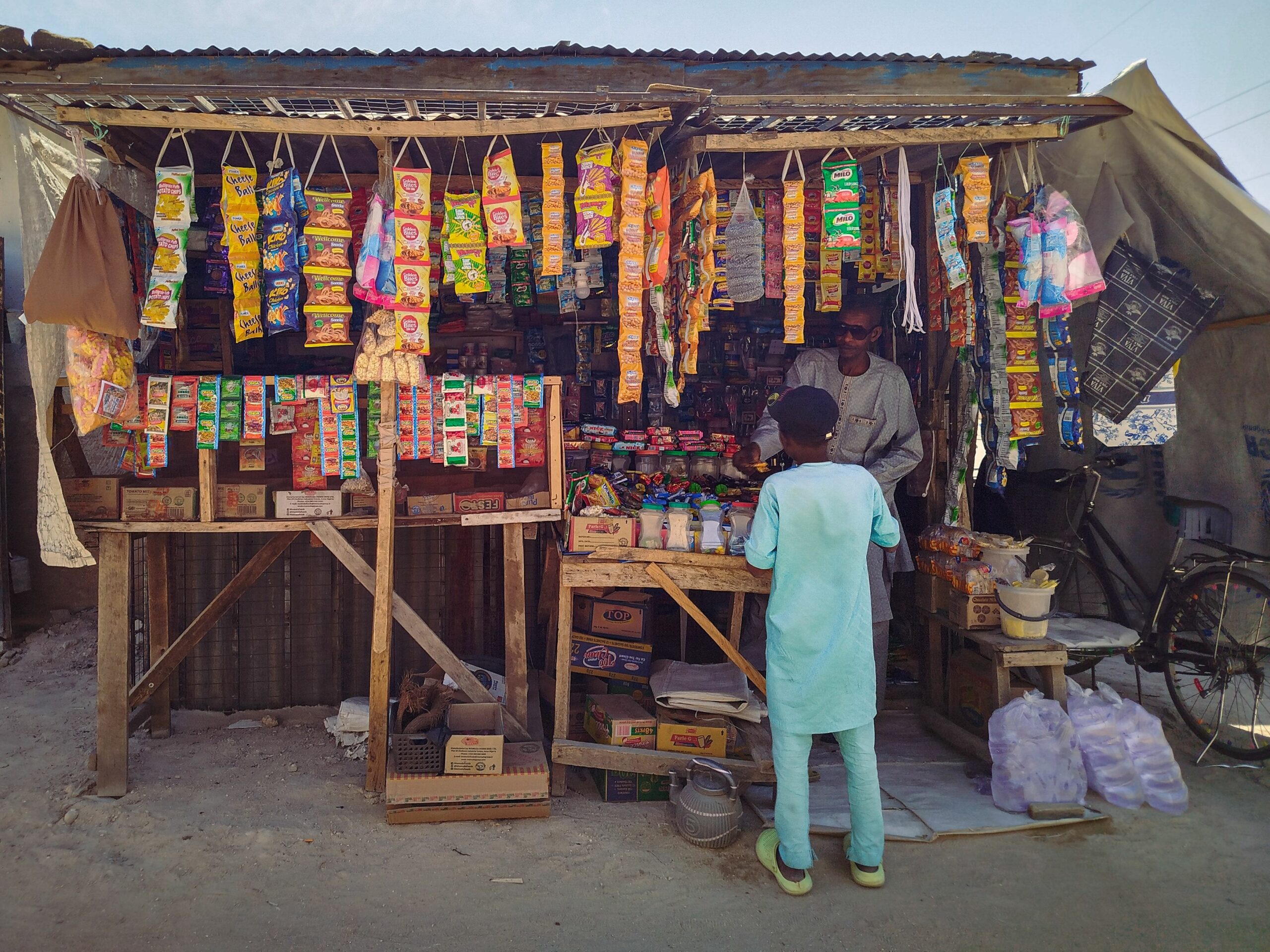
Consumer behaviour in Africa is shaped by factors that global toolkits rarely capture: informal trade, community dynamics, occasion-driven consumption. Our consumer research in Africa is built around these realities, not imported frameworks.

Questions we help you answer
- What is the mindset of African consumers?
- Who are they and what do they buy?
- When and where do they shop?
- Where do they socialise and get information?
- Why do they behave the way they do?
- What does my consumer journey look like?
How we approach it
Quantitative Research
- U&A studies
- Segmentation & profiling
- Customer journey and path-to-purchase
- OmniBus survey
Qualitative Research
- Focus groups (FGDs)
- In-depth interviews (IDIs)
- Ethnography
- Immersions

Ready to understand your African consumer?
Talk to our team about the right approach for your markets.
Book a meetingFrequently Asked Questions
Common questions about Consumer Research in Africa
Three factors make Africa-specific research essential rather than optional. First, the channel mix is different: in most FMCG categories, the majority of volume flows through informal trade, which global research frameworks rarely account for. Second, consumption occasions and need states are shaped by local context, community dynamics and price constraints that do not translate from other markets. Third, language and cultural diversity within single countries requires locally grounded fieldwork teams rather than translated questionnaires.
A segmentation study clusters consumers into distinct groups based on shared attitudes, behaviours or needs, giving you a framework for targeting and positioning decisions. It makes sense when you are entering a new category, relaunching a brand, or trying to understand why your current targeting is not delivering the results you expect. The output is a set of consumer profiles that your marketing, sales and product teams can actually use, rather than demographic cuts that do not explain behaviour.
Consumer journey mapping in Africa requires both quantitative and qualitative approaches. Quantitative surveys establish the structure of the journey: where consumers discover the category, where they make purchase decisions, which channels they use and how frequently. Qualitative methods, particularly accompanied shopping and in-home visits, reveal the motivations, barriers and contextual factors that sit behind the numbers. The combination gives you a journey map that is both measurable and actionable.
For a quick read on attitudes, usage or brand awareness in one or more African markets, an OmniBus survey via our consumer panel is typically the fastest route, turning around results in under two weeks. For deeper behavioural insight, a custom quantitative study takes four to six weeks. For genuine understanding of motivations and context, qualitative fieldwork takes three to five weeks depending on scope and market. We can advise on the right balance of speed, depth and budget for your specific question.
Our insights on Consumer Research in Africa
-

Carbonated soft drinks consumption in Africa: insights into occasions and need states
Last updated on 23/07/2026 Carbonated soft drinks consumption in Africa may not top the beverage rankings, but CSDs remain one of the most contested and visible categories on shelf, with clear, actionable patterns in who drinks them, when, and why. This article draws on data collected through SagaCube, Sagaci Research’s platform tracking consumer data in
15/06/2026 -

Coffee consumption in Africa: insights into occasions, need states and opportunities
Last updated on 23/07/2026 Coffee consumption in Africa ranks fifth among all beverages consumed on any given day across the continent. Understanding who drinks it, when, and why is increasingly relevant for brands operating in the African beverage market.This article draws on data collected through SagaCube, Sagaci Research’s platform tracking consumer data in Africa. It
22/04/2026 -

Car market in Africa: the rise of Chinese brands and the shift toward Hybrid vehicles
Last updated on 23/07/2026 A year ago, we published our first deep dive into the car market in Africa, revealing Toyota’s commanding dominance across the continent and the wide disparities in car ownership from one country to the next. Twelve months on, we’re back with fresh data from SagaCube, Sagaci Research’s consumer data platform in
25/03/2026 -

Energy drinks consumption in Africa: insights into occasions and need states
Last updated on 23/07/2026 Energy drinks consumption in Africa and the sector as a whole is growing. Understanding the drivers behind it is increasingly important for brands operating across the continent. This article draws on data collected through SagaCube, Sagaci Research’s platform capturing consumer data in Africa. It covers responses from over 548,000 panel members
13/03/2026