

Retail audit in Africa: what happens to your product after it leaves the warehouse?
Distribution targets don’t tell you what’s on the shelf. Trade investment doesn’t tell you if it worked. Getting a real view of in-market performance in Africa requires boots on the ground, and the right data infrastructure behind them.

Questions we help you answer
- How are my SKUs performing in modern and traditional trade?
- Do I have the right trade presence to maximise revenues?
- How can I measure the impact of marketing on sales?
- How can I strengthen my position with retailers?
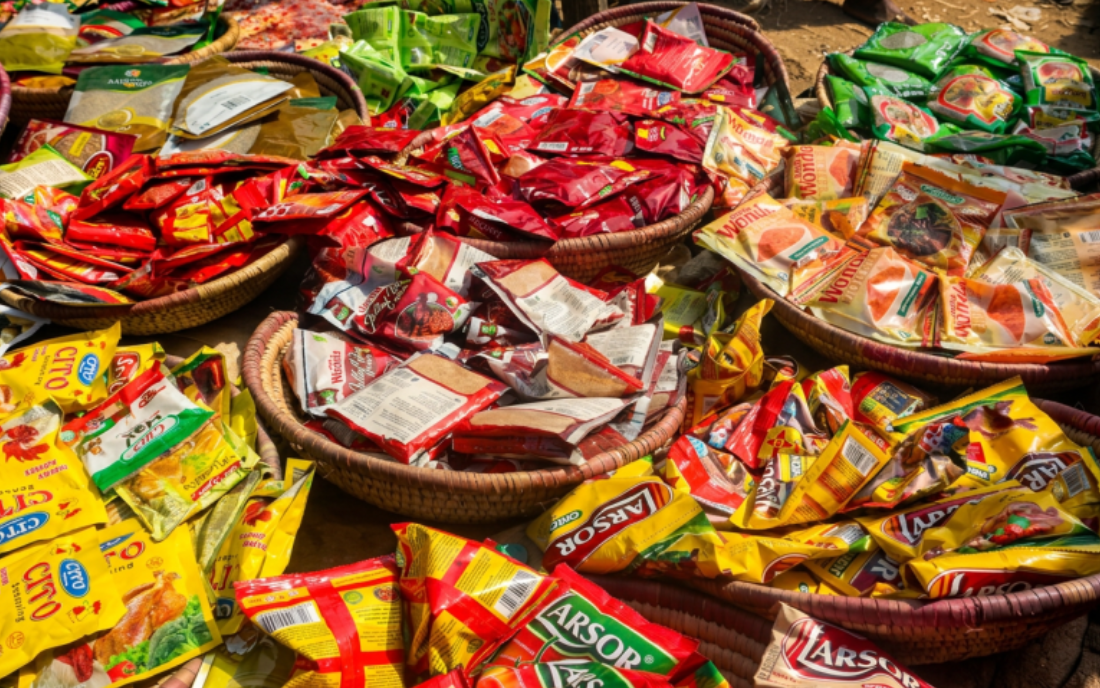
- Where is my product losing shelf space to competitors?
How we approach it
Retail & trade
- Modern trade platform
- Retail census

Ready to get a real view of your in-market performance?
Talk to our team about the right approach for your markets.
Book a meetingFrequently Asked Questions
Common questions about Retail Audits in Africa
Three structural factors make African retail measurement more challenging. First, the outlet universe is large, fragmented and often unmapped: traditional trade outlets in many markets number in the hundreds of thousands and are not listed in any official register. Second, there is no single electronic point-of-sale data source that provides market-wide visibility. Third, geographic spread and infrastructure constraints make field data collection more resource-intensive. Reliable retail measurement requires investment in census work and trained field teams, not just a data subscription.
The four metrics that consistently drive commercial decisions are numeric distribution (what percentage of relevant outlets stock your product), weighted distribution (the sales value those outlets represent), out-of-stock rate (how often your product is listed but unavailable at the moment of purchase) and relative price (how your shelf price compares to competitors). These four metrics together give you a clear picture of where you are present, where you are absent, and whether your pricing execution matches your strategy.
Retail audits are conducted on a recurring basis, typically monthly or quarterly depending on the category and market, so you can track shelf share, pricing, and distribution as they change rather than relying on a single snapshot. Data is delivered in a format built for tracking trends over time, giving you the lead time to adjust trade investment and negotiations before a full cycle passes.
Retail audit data tells you what is available at the point of sale: what is on shelf, at what price, in which outlets. Consumer panel data tells you what is actually purchased and taken home. The gap between the two is commercially significant: a product that is listed but not purchased points to a positioning, pricing or communication problem. A product that consumers want but cannot find consistently points to a distribution problem. Combining both data sources gives you a complete picture of where volume is being lost and why.
Our insights on Retail audits in Africa
-

Can you trust AI for market data in Africa? A Senegal soft drinks test
We asked four AI models a simple question: what are the top carbonated soft drink brands in Senegal? Then we checked the answer against live shopper data, testing AI market data accuracy in Africa against what’s actually on shelves. One real, active brand never showed up in a single AI response. The question “What are
10/08/2026 -

Retail execution in Africa: five mistakes FMCG brands make at shelf level
Retail execution in Africa is where FMCG strategies either hold up or fall apart. Distribution plans, pricing decisions, and visibility investments all depend on what the audit is actually measuring. And in African markets, where retail is fragmented and informal trade dominant, standard approaches often miss the picture. Poor retail execution rarely comes from a
08/06/2026 -

Top FMCG products in Nigeria: consumer goods ranking and insights
Nigeria is Africa’s largest consumer market, with over 220 million people and one of the continent’s most dynamic retail landscapes. Yet understanding which products actually dominate Nigerian households can be difficult. Much of the country’s FMCG consumption happens through informal channels (open markets, roadside kiosks, neighbourhood traders), which is why panel-based data captured directly by
02/06/2026 -
What the McCormick-Unilever merger means for Africa’s seasoning market
A $44.8 billion deal announced last week is reshaping the global food industry. While much of the attention has focused on Wall Street and European shelf space, the implications for Africa’s seasoning market, and the broader bouillon and condiments category, deserve a closer look. The McCormick-Unilever deal, explained The American food company McCormick has agreed
09/04/2026